Clubhouse — Entry Without Retention Architecture
Clubhouse engineered rapid adoption through scarcity and timing, but lacked the structural systems to sustain retention beyond initial use.

Clubhouse engineered rapid adoption through scarcity and timing, but lacked the structural systems to sustain retention beyond initial use.

Supreme didn’t optimize launches — it systemized them. By turning scarcity into infrastructure, each drop became a self-reinforcing demand engine.

Apple didn’t introduce a better phone — it reframed three existing products into a single behavioral system, making the category itself obsolete.

Premium short-form storytelling launched at scale — without first anchoring the behavior that would sustain it.

In 1985, Coca-Cola replaced its original formula to win the cola wars through taste optimization. The clarity was strong, the identity misalignment was fatal.

Balenciaga x Crocs (2017) used runway authority to reposition a cultural outlier as luxury.
Clarity and contrast drove impact, though post-reveal conversion architecture remained minimal.

Apple didn’t launch earbuds.
They removed a port and architected behavior change at scale.

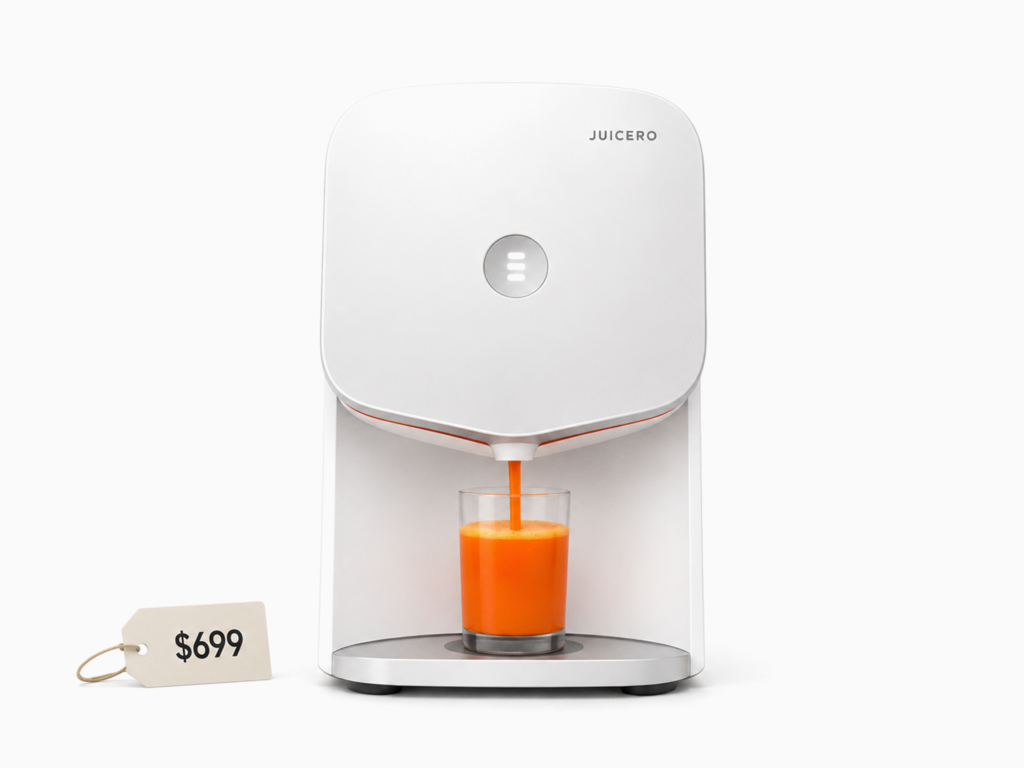
A clear product with massive adoption risk.
Nothing didn’t compete on specs — it structured conviction before validation.

The future arrived — but culture hadn’t caught up.
Google Glass was structurally early.