Narrative sequencing as risk management.
Context
In July 2022, Nothing launched its first smartphone: the Nothing Phone (1).
The company had previously released earbuds, but this marked its formal entry into the most saturated and credibility-sensitive hardware category in consumer tech. The stated ambition was not incremental performance. It was to make technology “exciting” again, a direct critique of smartphone stagnation.
Led by Carl Pei, known for co-founding OnePlus, the launch carried narrative weight beyond product specs. It was positioned as a second act, an attempt to reimagine hardware culture rather than compete in spec sheets.
The product itself:
– Android smartphone
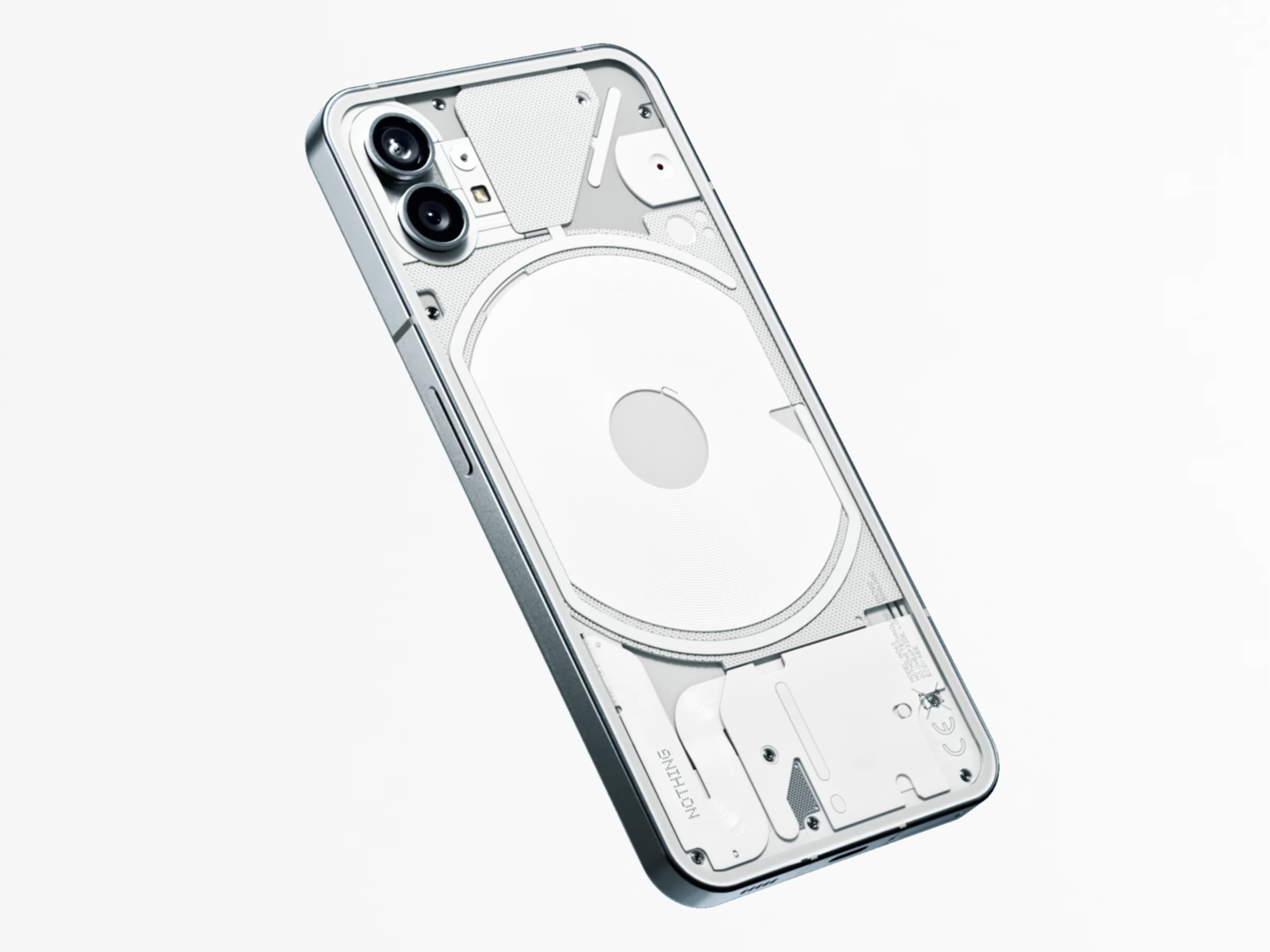
– Transparent rear panel
– Glyph lighting interface
– Mid-range chipset
– Competitive pricing
It was understandable immediately. The risk lay elsewhere.
Strategic Intent
The objective was singular: re-enter the smartphone market through design-led differentiation and cultural positioning.
This was not a performance flagship play. It was not a budget disruption strategy. It was an aesthetic and ideological reframe.
The strategic bet was that consumers were fatigued by homogeneity. That boredom itself had become a market tension. The Phone (1) was positioned as the counterweight.
Importantly, this aligned with Nothing’s early brand thesis — transparency, industrial visibility, reduction of digital noise. The product extended that philosophy physically.
The intent was cohesive and consistent.
Narrative & Clarity
The product was clear.
Anyone could describe it in one sentence:
“A transparent Android phone with a new glyph lighting system.”
There was no comprehension friction. Visual differentiation carried the messaging.
But clarity was not the structural challenge.
The challenge was adoption risk.
A new hardware brand requires daily trust. Switching cost is real. Skepticism was rational. The founder’s prior exit from OnePlus created both credibility and doubt.
The narrative architecture addressed this by shifting focus from specs to belief.
Design was foregrounded.
Community involvement was activated months before reveal.
Teasers preceded hardware validation.
The story was built before the object was tested.
Risk was reframed as participation.
Structural Architecture
The launch was not sudden. It was sequenced.
Months before the device reveal, Nothing engineered anticipation cycles:
– Transparent design language seeded through earbuds
– Public concept renders
– Controlled leaks
– Community engagement loops
– Founder interviews positioning the thesis
The keynote event served as a culmination rather than a beginning.
Scarcity mechanics reinforced early demand. Limited availability created controlled urgency. Partnerships with Qualcomm and the Android ecosystem anchored legitimacy.
This was not a spec-first keynote. It was a belief-first rollout.
Attention was converted into action through:
– Clear reveal moment
– Immediate purchase pathways
– Influencer seeding
– Ongoing software update narrative
Momentum extended beyond launch day.
Execution polish supported structural coherence.
Where It Leaked
The structural vulnerability was inherent to hardware.
Differentiation was heavily aesthetic. Once transparent hardware entered the market, replication risk increased. The glyph interface was novel, but its long-term functional necessity was debatable.
Additionally, while belief was engineered effectively, mid-range performance limited expansion beyond early adopters. The architecture was strong; the product ceiling was narrower.
Innovation framed as rebellion must sustain over iterations.
Execution polish cannot permanently compensate for constrained category leverage.
If Re-Architected
Two structural refinements could strengthen long-term durability:
- Tie Glyph functionality more deeply to utility, not just identity — anchor aesthetic differentiation to indispensable behavior.
- Introduce clearer ecosystem expansion signals at launch to reduce perception of single-product fragility.
Both adjustments would reduce reliance on founder narrative gravity.
Final Assessment
The Nothing Phone (1) launch did not eliminate risk.
It restructured it.
By building narrative conviction before hardware validation, the launch converted skepticism into curiosity and curiosity into participation.
Launch Rating: 8.2 / 10
Design differentiated the device.
Architecture differentiated the launch.